

Beyond the Itch: Distinguishing Mild Hives from Emergency Anaphylaxis
A quiet afternoon with a pet can shift quickly when something unexpected sparks swelling, itching, or sudden discomfort. Reactions like these often appear without warning, leaving families unsure whether they are witnessing a minor flare-up or the early signs of a crisis. The difference between simple hives and severe anaphylaxis is not always obvious, and uncertainty can make those first moments feel overwhelming. Understanding what might be happening gives owners a steadier footing while they decide how urgently their pet needs help.
At Stack Veterinary Hospital in Syracuse, our family-run team has been guiding Central New York pet owners through moments like these for more than a century. With advanced diagnostic services and a warm, collaborative approach rooted in generations of trusted care, we help families navigate allergic reactions with clarity and compassion. If a pet’s symptoms intensify or you are unsure how quickly to act, our experienced team is ready to support you during open hours, and you can always reach out for immediate direction.
What Causes Allergic Reactions in Dogs and Cats?
An allergic reaction happens when your pet’s immune system overreacts to something harmless. The body releases chemicals that lead to itching, swelling, or more serious whole-body symptoms.
Common triggers include:
- Environmental allergens: Pollen, dust mites, mold, and grasses
- Food proteins: Chicken, beef, dairy, eggs, certain grains
- Medications: Some antibiotics, vaccines, and other drugs
- Insect bites and stings: Bees, wasps, spiders, and flea saliva
Central New York’s humid seasons mean long stretches of pollen and mold. Knowing your pet’s exposure helps you plan ahead and act fast when symptoms appear. Our wellness care includes prevention tailored to your pet’s lifestyle and local risks.
How Do Allergic Reactions Differ in Severity?
Reactions range from mild skin issues to life-threatening emergencies.
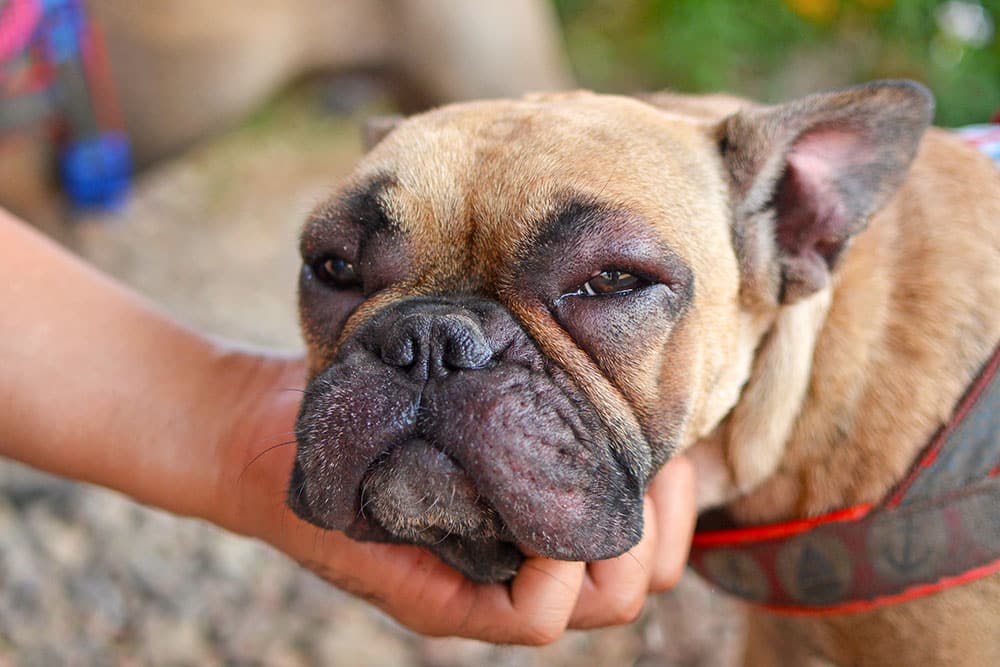
- Mild to moderate reactions: Hives, facial swelling, itchy skin, sneezing, or mild stomach upset. These usually develop slowly and respond well to treatment.
- Severe reactions (anaphylaxis): Rapid breathing trouble, collapse, vomiting, diarrhea, pale gums, or a racing heartbeat. Anaphylaxis in dogs and anaphylaxis in cats can be fatal without immediate care.
Timing matters. Hives can take hours to appear, while anaphylaxis can escalate within minutes. Our team uses comprehensive diagnostic services to assess severity and guide treatment.
What Are the Warning Signs You Should Never Ignore?
Knowing which signs mean “watch closely” and which mean “go now” can save your pet’s life.
- Common allergy symptoms to monitor: Facial swelling, red or watery eyes, sudden scratching or licking, raised welts, mild vomiting, restlessness.
- Emergency symptoms needing urgent care: Trouble breathing, collapse, fast-spreading swelling, ongoing vomiting or diarrhea, pale or blue gums, weak or fast pulse, disorientation, or loss of consciousness.
Dog allergy symptoms often include obvious scratching and paw licking. Cats can be subtle, as they tend to hide symptoms- so obvious signs of all allergic reaction should be taken extremely seriously. Open-mouth breathing in cats is never normal and signals distress.
If you see emergency signs, contact us through our emergency resources. During open hours we can see your pet right away; after hours, we’ll direct you to the Veterinary Medical Center of Central New York for 24-hour care.
What Should You Do If Your Pet Has a Reaction at Home?
Quick, calm steps can help while you decide on next actions.
- Remove the trigger if you can identify it. Scrape out a stinger; stop the new food or medication.
- Rinse with cool water if your pet touched plants, chemicals, or irritants. Avoid hot water.
- Call our pet care team for guidance- we may be able to give you information on a dose of human allergy medication to give if appropriate. Don’t do this without asking us first.
- Keep your pet calm in a quiet, comfortable space.
- Prevent self-trauma with an Elizabethan collar if there’s intense scratching or licking.
- Document symptoms: Photos, start time, and any new foods, meds, or exposures in the last 24 hours.
Not sure what to do next? You can request an appointment if symptoms persist or worsen.
When Should You Seek Emergency Veterinary Care?
Go to the veterinary hospital immediately if:
- Breathing is labored, noisy, or stops briefly
- Swelling spreads quickly across the face or body
- Your pet collapses, can’t stand, or seems unresponsive
- Vomiting or diarrhea continues for more than 30 minutes
- Gums turn pale or blue
What to expect: Your veterinarian will check vital signs and may provide oxygen and medications that quickly reduce swelling and support breathing and blood pressure. Some pets go home the same day; others stay for monitoring if symptoms return or breathing remains difficult.
We take emergencies during open hours and provide clear guidance for urgent situations. Our in-house lab offers rapid results so we can adjust treatment in real time. If you’re unsure it’s an emergency, call us- acting early is always safest.
How Can You Prevent Future Allergic Reactions?
Prevention focuses on reducing exposure and supporting healthy skin and ears.
- Grooming and hygiene: Regular grooming and gentle bathing every two to four weeks help remove pollen and dust. Brush daily to prevent mats that trap irritants. Our professional grooming services can help between home baths.
- Parasite control: Flea bites can trigger intense itching. Flea allergy dermatitis may flare from even one bite. Keep up with year-round parasite prevention. Our wellness care plans tailor protection to local seasons.
Can Diet and Environment Changes Reduce Allergy Flare-Ups?
Yes. Adjusting food and home habits often makes a big difference.
- Dietary management: If food allergies are suspected, your vet may recommend an elimination diet using a novel protein (like duck or rabbit) or a hydrolyzed diet that’s less likely to trigger reactions. Follow it strictly for 8 to 12 weeks; even small treats can skew results.
- Environmental tweaks:
Vacuum with a HEPA filter twice a week
Wash bedding weekly in hot water
Use air purifiers in main rooms
Keep humidity between 30 and 50 percent
Wipe paws and bellies after walks to remove pollen - Ear care: Allergies often affect ears. Regular ear cleaning with vet-approved solutions can prevent infections.
Need help setting up a plan? Schedule a routine appointment to discuss diet trials, testing, and long-term strategies.
What Should You Know About Vaccine and Medication Reactions?
Most pets feel fine after vaccines, though some have mild soreness, sleepiness, or a low fever for a day. More serious vaccination reactions include facial swelling, hives, vomiting, diarrhea, or breathing trouble and require prompt care.
Tips to lower risk:
- Share your pet’s medical history and any past reactions before vaccines
- Ask if pre-medicating is appropriate for sensitive pets
- Monitor closely for 48 hours after vaccines or new meds
- Book vaccines earlier in the day so the clinic is open if you have concerns
If a reaction occurs, we can adjust protocols, space out vaccines, or recommend alternatives. Our wellness care supports personalized vaccine schedules that balance protection with your pet’s needs.
How Does Partnering With Your Veterinary Team Help?
Regular visits lay the groundwork for spotting allergies early and managing them confidently.
- Routine exams: Help us catch skin changes, ear inflammation, or breathing issues before they escalate. Baseline records make it easier to see when something’s off.
- Diagnostics: Targeted tests can identify triggers and guide focused treatment, including options like immunotherapy when appropriate.
- Emergency readiness: When we know your pet’s history, urgent decisions are faster and more precise.
At Stack Veterinary Hospital, we’ve maintained AAHA accreditation for 65 years, reflecting high standards in patient care and safety. Our collaborative approach keeps you supported with clear plans for both prevention and rapid response.

FAQs: Quick Answers for Worried Pet Parents
What’s the difference between hives and anaphylaxis?
Hives are raised, itchy bumps and mild swelling that develop gradually. Anaphylaxis is a fast, whole-body reaction with breathing trouble, collapse, vomiting, or pale gums. Anaphylaxis needs immediate care.
Can a food allergy cause sudden swelling?
Yes. Food-triggered reactions can cause hives and facial swelling. For ongoing issues, a strict elimination diet helps identify the culprit.
Should I give over-the-counter antihistamines at home?
Call us first. Doses vary, and some products contain unsafe ingredients for pets. We can advise on safe next steps.
My cat is panting. Is that normal?
No. Open-mouth breathing in cats is an emergency. Seek care right away.
How do I know if it’s safe to wait and watch?
If symptoms are mild and your pet is breathing comfortably, call our pet care team for guidance. If breathing changes or your pet collapses, go to emergency care immediately.
Taking Confident Action When Your Pet Needs Help
Allergic reactions in pets range from minor itching to life-threatening anaphylaxis. Rapid breathing trouble, collapse, fast-spreading swelling, and persistent vomiting are red flags that require urgent care. Trust your instincts- if something feels wrong, act.
Our team is here with clear guidance, compassionate support, and timely care. Contact us or request an appointment if you have questions, need help deciding on next steps, or want a plan to prevent future flare-ups. We’re your partners in keeping your pet comfortable, safe, and thriving.




Leave A Comment