

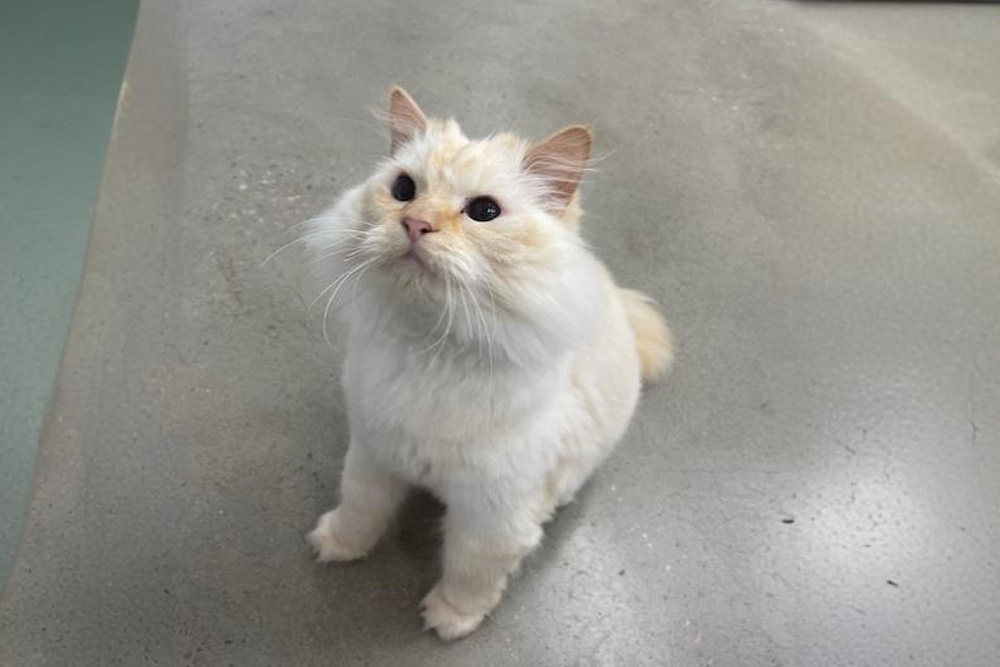
You scoop the litter box and realize it’s emptier than usual. Maybe your cat is lingering in the box longer, straining with no results, or walking away in frustration. These subtle shifts often go unnoticed, but they can point to more than just picky bathroom behavior. They’re early clues that your cat may be struggling with constipation, a condition that can quickly become painful without timely care.
Left untreated, constipation can progress into serious complications like dehydration, abdominal pain, or even megacolon. At Stack Veterinary Hospital in Syracuse, our AAHA-accredited and Cat Friendly Practice teams combine experience with advanced technology to diagnose, treat, and prevent digestive problems with care and precision.
Why Constipation Deserves More Attention
Constipation happens when stool moves too slowly through the intestines and becomes dry and difficult to pass. While a missed day or two may seem harmless, ongoing constipation can cause stretching of the colon walls and long-term loss of motility.
In severe cases, this can develop into megacolon, a painful condition in which the colon becomes permanently enlarged and stops functioning properly. Cats with megacolon often require lifelong management and, sometimes, surgery.
Because cats are experts at masking pain, constipation can go unnoticed until it becomes an emergency. Recognizing changes early- before appetite drops or your cat hides- makes a major difference in outcome and comfort.
What Causes Constipation in Cats?
Feline constipation has many underlying causes, ranging from simple hydration issues to complex medical disorders.
1. Dehydration and Diet
Cats are naturally low water drinkers, and many eat predominantly dry food. Without enough moisture, the colon reabsorbs too much water from stool, leaving it hard and compacted.
Nutrition plays a key role in prevention. Choosing the right food for your pet supports digestion with the right mix of fiber and hydration. Our veterinarians can help tailor your cat’s diet to support gut health and prevent recurrence.
2. Medical Conditions
Several health issues predispose cats to constipation:
- Chronic kidney disease leads to dehydration and electrolyte imbalance.
- Feline hyperthyroidism disrupts metabolism and gut motility.
- Inflammatory bowel disease causes alternating diarrhea and constipation.
At Stack, our full in-house diagnostic lab and imaging services allow us to quickly identify these conditions. In more complex cases, we may use ultrasound imaging to visualize intestinal health or detect underlying obstructions.
3. Obesity and Inactivity
The Pet Obesity Prevention organization notes that excess weight can reduce mobility and compress abdominal organs, slowing digestion. Senior and indoor cats are especially at risk. Encouraging activity through climbing towers, toys, and interactive feeders helps keep stool moving.
4. Structural or Neurological Issues
Damage to the nerves or bones surrounding the pelvis and spine can impair the colon’s ability to contract. Conditions involving the spinal column and cord or congenital defects may require surgical correction.
Recognizing the Warning Signs
Cats can’t tell us when they’re uncomfortable, but their litter box behaviors often speak volumes.
Early Signs
- Frequent but unproductive trips to the litter box
- Hard, dry, or small stools
- Straining or crying during defecation
- Decreased appetite or water intake
- Abdominal bloating or tenderness
- Avoiding the litter box due to pain
- Hunched posture, hiding, or irritability
Red Flags That Need Prompt Care
- No bowel movement for more than 48 hours
- Vomiting or loss of appetite
- Bloody stool or severe bloating
- Lethargy or pain when touched
If your cat experiences any of these, don’t wait. Early intervention prevents complications like dehydration, colon injury, and worsening discomfort.
When Straining Isn’t Constipation
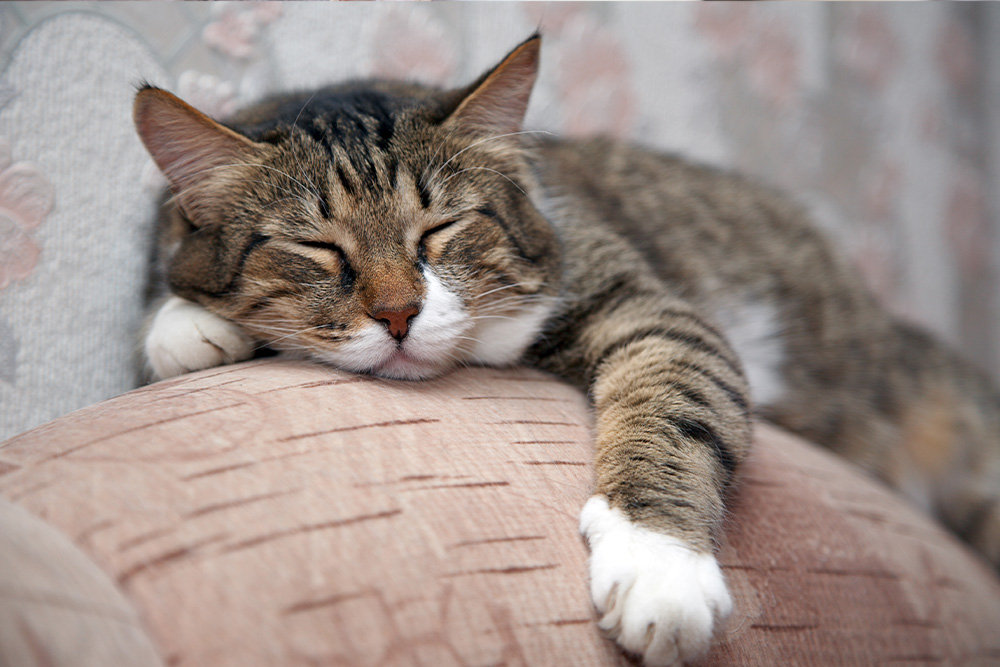
A cat straining in the litter box might not be constipated- it could be suffering from a life-threatening urinary blockage. Urethral obstruction occurs when crystals, mucus, or inflammation block the urethra, especially in males.
Symptoms can mimic constipation but progress much faster: repeated box visits with no output, vocalizing in pain, licking at the genitals, or sudden lethargy. If your cat is straining but producing no urine or feces, this is a medical emergency.
Stack Veterinary Hospital provides emergency evaluations during open hours, and our emergency resources page outlines trusted 24-hour facilities for after-hours care in Central New York.
How We Diagnose Constipation
Proper diagnosis requires a full picture of your cat’s health, not just symptoms. Our veterinarians perform a complete physical exam, including abdominal palpation, hydration assessment, and neurological checks when indicated.
We use digital imaging and laboratory testing to evaluate kidney, thyroid, and gastrointestinal function. For more complex cases, abdominal ultrasound helps identify impactions, foreign objects, or masses contributing to the problem.
Results are available within minutes through our on-site lab, allowing for same-day treatment when needed.
Treatment Options and Ongoing Management
Medical Interventions
Depending on the severity, treatment may involve:
- Oral stool softeners or motility medications
- Hydration therapy
- Enemas or manual removal under sedation for severe impaction
- Surgical intervention for chronic or structural causes
These procedures are always performed by professionals- attempting them at home can injure your cat. For persistent cases or megacolon, our veterinarians may work with a board-certified surgeon to restore normal bowel function safely.
Home Care and Prevention
- Encourage hydration with multiple water bowls or fountains
- Feed moisture-rich or veterinary-prescribed diets
- Keep litter boxes clean, accessible, and stress-free
- Maintain consistent daily routines to reduce anxiety
Regular activity and stress management support healthy digestion, particularly for indoor cats prone to inactivity.
Prevention Through Routine Wellness Care
Constipation prevention starts with consistent veterinary oversight. Our wellness care visits allow early detection of risk factors like dehydration, obesity, or underlying organ disease.
For senior cats- those nine years and older- we recommend twice-yearly checkups with bloodwork and X-rays to monitor kidney and digestive health. During each visit, our doctors and Feline Friendly team take time to educate owners, review diet and behavior, and develop customized home-care strategies that fit each cat’s needs.
When to Seek Emergency Help
Immediate veterinary care is crucial if your cat:
- Hasn’t defecated for 48 hours or longer
- Strains or cries without results
- Appears bloated or in pain
- Vomits repeatedly or refuses food
For emergencies during business hours, call (315) 478-3161 so our team can prepare for your arrival. After hours, refer to our emergency resources for trusted partners in the region.
Supporting Your Cat’s Comfort and Long-Term Health
Feline constipation can be uncomfortable- and at times, dangerous- but with early attention and expert veterinary care, most cats recover quickly and comfortably.
At Stack Veterinary Hospital, we combine advanced diagnostics, preventive medicine, and compassionate expertise to keep cats feeling their best. If you notice changes in your cat’s litter box habits, don’t wait. Contact us today or call (315) 478-3161 to schedule an exam. Together, we’ll identify the cause, ease your cat’s discomfort, and protect their health for years to come.


Leave A Comment