

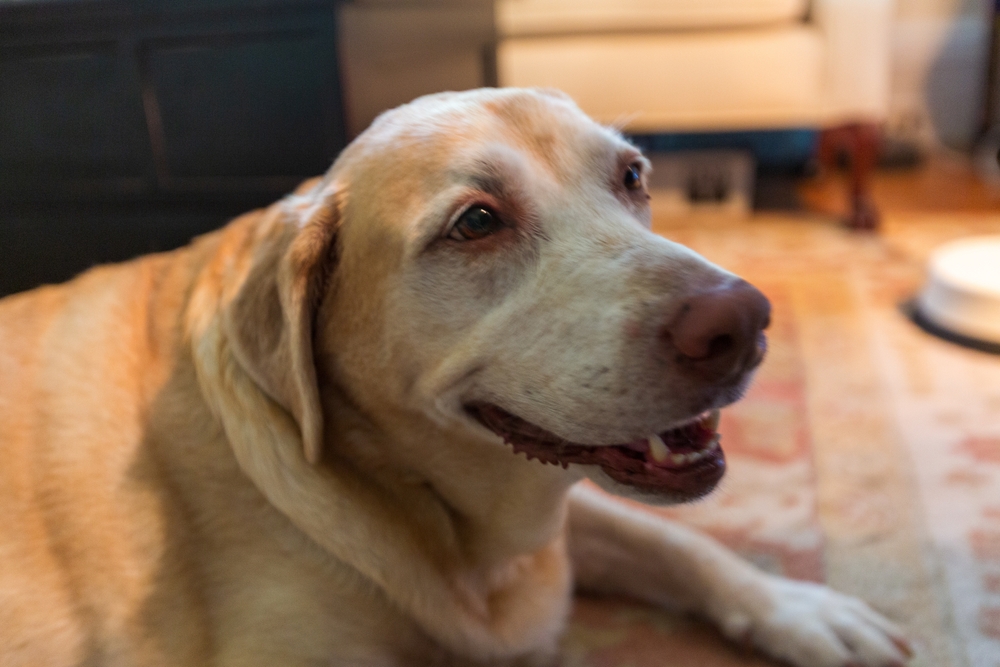
Many health problems in pets are easy to notice, like vomiting, limping, or changes in appetite. Enlarged lymph nodes are different. They can develop quietly, without obvious symptoms, and are often discovered during grooming, petting, or a routine wellness exam. Because lymph nodes sit close to the surface in areas like the neck, shoulders, and behind the knees, swelling can sometimes be felt before a pet shows any outward signs of illness.
Understanding what lymph nodes do, why they swell, and what comes next helps turn fear into a clear plan. At Stack Veterinary Hospital, our team of 11 doctors, including board-certified specialists in radiology, cardiology, and orthopedic surgery, uses advanced diagnostics to investigate enlarged lymph nodes and build individualized care plans for every patient. As a family-run, AAHA-accredited practice serving Central New York since 1910, we treat every pet and family member like our own. If you have noticed a lump or area of concern, please schedule an appointment so we can provide calm, compassionate guidance.
What Should You Do When You Discover a Lump on Your Pet?
If you feel a new lump or swelling on your pet, it might be a lymph node- and the best next step is to contact a veterinarian promptly. Many causes are treatable, and timely evaluation prevents small problems from becoming bigger ones.
The most common places you might notice swelling are:
- Mandibular: Under the jaw
- Prescapular: In front of the shoulders
- Axillary: In the armpit area
- Inguinal: In the groin
- Popliteal: Behind the knee
A single enlarged node often points to a nearby issue, while multiple enlarged nodes suggest a more widespread cause. Avoid squeezing or massaging the lump, which can worsen irritation. If you are worried, contact our team to get your pet seen quickly.
What Are Lymph Nodes and What Do They Do?
Lymph nodes are small, bean-shaped structures that filter lymph fluid and produce immune cells to fight infection and disease. They sit along lymph vessels throughout the body and act as surveillance stations for the immune system, supporting both defense and fluid balance. When they are actively working to fight something off, they swell.
You may not feel lymph nodes when they are their normal size, but when they enlarge, they become noticeable during routine petting or grooming. Routine touch and observation catch changes early. During wellness care visits, our clinicians carefully palpate these areas as part of every exam, so building regular checkup habits supports early detection and peace of mind.
Why Do Lymph Nodes Get Big? Common Causes of Lymphadenopathy
Lymphadenopathy (enlarged lymph nodes) is a clinical sign, not a diagnosis. Swelling can result from a reactive immune response, infection, inflammation, or cancer, and the underlying cause determines both the treatment approach and the outlook. Because each pet’s history and pattern are unique, a tailored evaluation is the most reliable way to move toward answers.
Can Infections Cause Lymph Nodes to Swell?
Yes, and infections are one of the most common and treatable causes. The immune system enlarges lymph nodes near an affected area as it works to fight off the threat.
- Dental disease and ear infections can lead to reactive nodes under the jaw or near the head and neck
- Wounds or injuries can enlarge the lymph nodes closest to the trauma
- Tick-borne diseases like Lyme disease can cause generalized swelling along with fevers and joint pain
- Leptospirosis is a bacterial infection spread through standing water and wildlife exposure that may affect multiple organs and lymph nodes
- Fungal disease can cause persistent swelling, cough, or weight loss, particularly in certain geographic regions
Localized infections typically cause regional swelling in nearby nodes, while systemic infections may affect multiple node groups throughout the body. In Central New York, tick season stretches long due to wooded habitats, making year-round parasite prevention and routine checks especially important.
Is It Cancer? Understanding Lymphoma and Other Cancers
Lymphoma is the most common cancer of the lymphatic system in pets, and it often causes multiple firm, painless enlarged nodes. While the word “cancer” is heavy, early detection and a thoughtful care plan can significantly improve comfort and time together.
In dogs, canine lymphoma most commonly presents as multicentric lymphoma, with symmetrical swelling across multiple lymph node groups. Cats can develop feline lymphoma in lymph nodes or in other organs like the gastrointestinal tract, sometimes with subtle signs that are easy to miss.
Other forms of lymphoma include alimentary (affecting the digestive tract), mediastinal (in the chest), cutaneous (on the skin), and extranodal (in organs outside the lymphatic system). There are many types of cancer in pets, and some can spread to lymph nodes even when they start elsewhere.
Many pets respond well to carefully selected therapies, and our team guides families through options with a focus on quality of life at every stage.
What Else Can Cause Swollen Lymph Nodes?
Less commonly, allergic reactions, immune-mediated conditions, and lymphatic drainage problems can cause enlargement.
- Vaccine reactions or medication sensitivities can produce temporary node swelling
- Autoimmune disorders can make lymph nodes chronically reactive
- Lymphedema, a condition involving lymphatic obstruction, can cause persistent swelling in tissues and nearby nodes
Comprehensive diagnostics help separate these causes from infections or cancer, and careful testing prevents unnecessary treatment while guiding the right approach.
How Do Veterinarians Diagnose the Cause of Enlarged Lymph Nodes?
Determining the cause requires a thorough physical exam, detailed history, and often additional testing. The diagnostic plan is tailored to each pet’s clinical picture and the family’s goals, and we walk you through every step so you understand what we are looking for and why.
What Happens During the Physical Exam?
During the exam, your pet’s lymph nodes are palpated to assess size, shape, texture, pain, symmetry, and whether they move freely or feel fixed to surrounding tissue. These details narrow the list of likely causes.
We also evaluate for concurrent signs like fever, weight changes, oral disease, skin lesions, or other clues pointing toward infection or systemic illness. The pattern of swelling matters: a single enlarged node often suggests a local issue, while generalized enlargement across multiple groups raises different concerns. Your pet’s lifestyle, outdoor activity, travel history, and tick exposure provide essential context.
Does My Pet Need Cytology, Biopsy, or Both?
Fine-needle aspiration (FNA) cytology is typically the first step. It is quick, minimally invasive, and usually does not require sedation. A small needle collects cells from the enlarged node for microscopic review, and results can often clarify whether the cause is infection, reactive inflammation, or cancer. Comparing cytology vs biopsy helps explain when each approach adds the most value.
- Cytology can diagnose many cases of lymphoma and infection in a single visit
- Biopsy (needle core or surgical excision) is recommended when cytology is inconclusive or when detailed tissue architecture is needed
- Advanced testing such as immunophenotyping, flow cytometry, or PCR can characterize lymphoma subtypes and guide treatment decisions
- Staging tests including bloodwork, urinalysis, radiographs, and ultrasound help determine whether other organs are involved
We perform in-house laboratory testing with rapid turnaround and coordinate advanced imaging when a deeper look is needed. Our board-certified radiologist performs high-resolution studies through our dedicated ultrasound service each week, providing the kind of detailed soft-tissue evaluation that is essential for staging cancers, assessing organ involvement, and guiding biopsy decisions. Having this level of specialty imaging available in-house means faster answers and fewer trips to outside facilities for your pet.
What Are the Treatment Options for Enlarged Lymph Nodes?
Treatment depends entirely on the underlying cause, and our team tailors every plan to your pet’s condition, your family’s priorities, and realistic goals for comfort and quality of life.
For infections and inflammation:
- Targeted antibiotics or antifungals based on culture and sensitivity results
- Dental procedures to address abscesses or periodontal disease through our dental care services
- Wound management and tick-borne disease treatment protocols
- Most infectious causes respond well to appropriate therapy
For lymphoma and other cancers:
- Multi-agent chemotherapy protocols can induce remission and extend comfortable time together
- Single-agent chemotherapy or steroid-only plans offer gentler management when appropriate
- Remission means clinical signs are controlled or disappear. Cure is uncommon with lymphoma, but many dogs achieve months to over a year of good quality time with treatment
- If treatment is not pursued, palliative care focuses on comfort, pain management, and honoring everyday quality of life
Our in-house specialty services mean that many aspects of workup and treatment happen under one roof. From cardiology assessments to ensure your pet is safe for anesthesia, to orthopedic evaluation if joint involvement is a concern, to rehabilitation support during recovery, our board-certified specialists collaborate directly with our general practice team. This integrated approach reduces delays and keeps communication seamless. For cases requiring additional expertise, we coordinate referrals with the same care and follow-through.
How Do You Stay Ahead of Changes After Diagnosis?
Regular rechecks and home monitoring help track progress, adjust therapies, and catch relapses early. Simple weekly touch checks at home empower you to notice changes before they become problems.
- During treatment: Expect scheduled rechecks and periodic bloodwork to monitor response
- At home: Learn to feel the under-jaw, shoulder, armpit, groin, and behind-the-knee areas so you can recognize changes quickly
- Keep a brief log of appetite, energy, weight, and comfort to share with the care team
- Call promptly if swelling returns or new nodes enlarge so we can reassess and adapt the plan
We emphasize ongoing communication and education so you always know what to watch for. For preventive support between visits, our wellness care visits help maintain a proactive rhythm that catches changes early.
Why Families Trust Stack Veterinary Hospital for Complex Cases
When your pet needs more than a routine visit, having the right team and the right tools in one place makes a real difference. Stack Veterinary Hospital brings together general practice, emergency care, and multiple specialty services, including cardiology, orthopedic surgery, radiology, and rehabilitation, so your pet’s care team can collaborate in real time without sending you across town.
- AAHA accreditation for 65 consecutive years reflects our commitment to the highest standards in medicine, safety, and client communication
- Board-certified specialists on staff provide advanced imaging, cardiac evaluation, surgical expertise, and rehabilitation under one roof
- Cat Friendly Practice (Silver Certified) with feline-only waiting and exam spaces to reduce stress for cat patients
- 11 doctors working collaboratively means your pet benefits from multiple perspectives on complex cases
- In-house laboratory with blood work, urinalysis, digital x-ray, and ultrasound capabilities for fast results
- High-quality surgical care with modern anesthesia and pain management protocols
From the first phone call through follow-up and beyond, our focus stays on your pet’s comfort and your peace of mind.
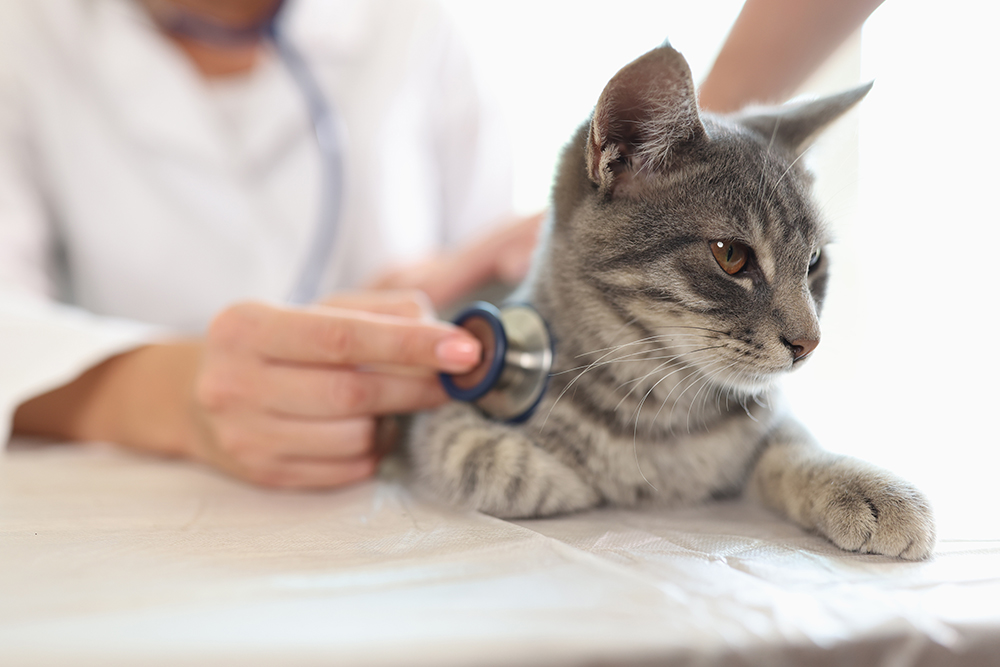
FAQs: Quick Answers for Worried Pet Owners
What if the lump seems to shrink on its own?
Minor reactive swelling can lessen as the trigger resolves, but it is still wise to have any new or changing lumps evaluated by a veterinarian.
Can enlarged lymph nodes be painful?
Many are not painful, but tenderness can occur with infection or inflammation. Painless enlargement is more common with lymphoma.
Should I wait a few weeks to see what happens?
Waiting can delay care. Contact us now for guidance, especially if your pet seems unwell, has lost appetite, or is more tired than usual.
Can I prevent lymph node problems?
You cannot prevent every cause, but good dental care, routine wellness care, year-round parasite prevention, and prompt attention to wounds and infections all help.
Can cats get lymphoma too?
Yes. Feline lymphoma is one of the most common cancers in cats and can affect lymph nodes, the digestive tract, or other organs. Our Cat Friendly approach ensures feline patients receive gentle, stress-reduced care throughout the diagnostic and treatment process.
Taking the Next Step With Confidence
Discovering enlarged lymph nodes can be scary, but prompt evaluation and a clear diagnostic plan provide answers and options. Many causes are manageable, and even serious diagnoses like lymphoma can be treated with compassionate, individualized care that prioritizes your pet’s comfort and your family’s goals.
If you have found a lump or swelling, you are not alone. Our team is ready to listen, examine, and build a plan that fits. To get started, please request an appointment or reach out to our pet care team. We are here to help you move from concern to clarity.


Leave A Comment