

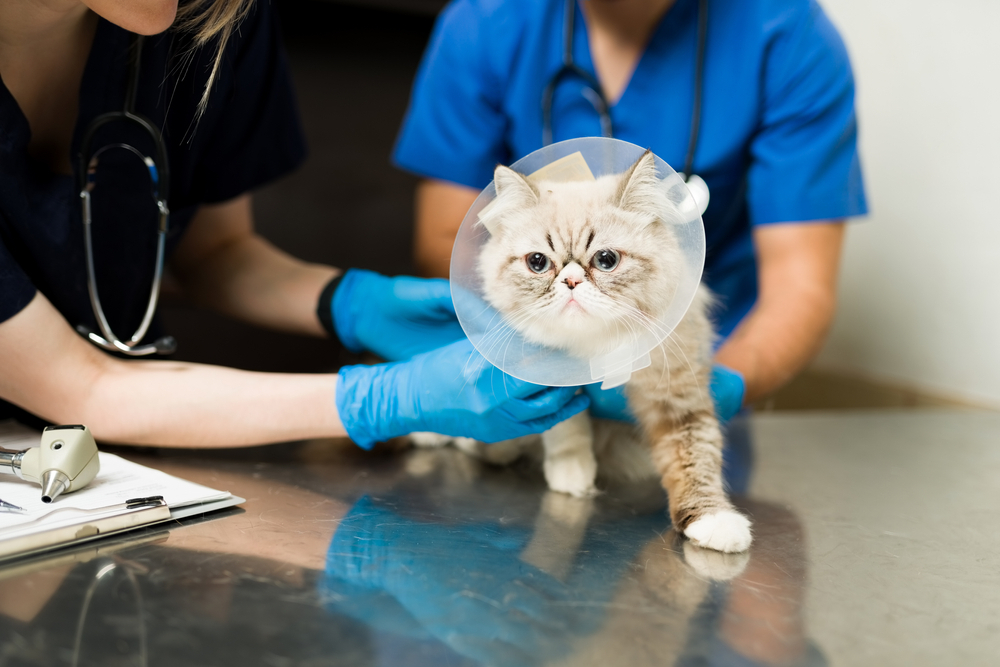
Your cat seems fine one day, and the next, you notice they are bumping into things or suddenly seem disoriented. A condition as serious as high blood pressure can develop with almost no warning signs, leading to sudden blindness or other serious health crises. Regular veterinary checkups, including blood pressure monitoring, are the key to catching this “silent killer” early. When high blood pressure is managed promptly, cats can avoid complications and continue to enjoy a good quality of life.
At Stack Veterinary Hospital, we’ve been caring for cats in Central New York for over a century, combining advanced technology with compassionate, family-centered care. As an AAHA-accredited hospital with extensive diagnostic capabilities, we understand how subtle changes in your cat’s behavior or vision can point to underlying health concerns like hypertension. Our experienced veterinarians use gentle monitoring techniques to identify early warning signs and create tailored treatment plans to protect your cat’s long-term health.
What Is Feline Hypertension?
Understanding Hypertension in Cats
Hypertension refers to high blood pressure within the arteries. In cats, this condition most often develops as they age, quietly damaging organs long before symptoms appear. The eyes, kidneys, heart, and brain are especially vulnerable, and complications may include retinal detachment, kidney failure, or seizures.
Normal blood pressure in cats typically ranges from 120-140 mmHg systolic (the higher number), while readings consistently above 160 mmHg indicate hypertension. Cats with readings between 140-160 mmHg are considered pre-hypertensive and require close monitoring. When blood pressure climbs above 180 mmHg, the risk of organ damage increases dramatically, and emergency intervention may be necessary. The condition develops gradually, with blood vessels throughout the body experiencing increasing stress as pressure rises. Tiny capillaries in the eyes and kidneys are particularly vulnerable because they rely on precise pressure regulation to function properly. As hypertension progresses, these delicate vessels can leak, rupture, or become scarred, leading to permanent damage. The silent nature of this progression makes regular screening essential, especially for cats over seven years old.
Because high blood pressure often develops secondary to other diseases, early detection through routine wellness care is essential. At Stack Veterinary Hospital, our veterinary team emphasizes proactive screening during senior exams to protect your cat’s health before irreversible damage occurs.
Even mild increases in blood pressure can begin to harm delicate vessels in the eyes and kidneys. Over time, this stress leads to reduced vision, fluid imbalances, and cognitive changes that are often mistaken for normal aging. Regular monitoring can catch these changes early, when treatment is most effective.
Causes of Feline Hypertension
Common Underlying Conditions
High blood pressure in cats rarely appears on its own. It’s typically a symptom of another medical issue that increases strain on the body’s organs and blood vessels. The most common causes include:
- Chronic kidney disease – Damaged kidneys struggle to regulate blood pressure, often creating a cycle of worsening function. As kidney efficiency declines, waste products build up in the bloodstream, further stressing the cardiovascular system.
- Hyperthyroidism – An overactive thyroid gland speeds up metabolism, elevating heart rate and blood pressure. Cats with hyperthyroidism may seem energetic or restless at first, but unchecked hormone levels can cause serious heart and eye complications.
- Heart disease – Heart enlargement or valve disease can cause hypertension and fluid buildup, putting further stress on circulation.
- Diabetes – Chronic high blood sugar levels damage blood vessels, leading to increased pressure and organ strain.
Less commonly, hypertension may also occur after long-term corticosteroid use or due to certain tumors that disrupt hormone regulation. Because these conditions can overlap, comprehensive testing is vital. Our diagnostic services include in-house bloodwork, digital imaging, and ultrasound performed by a board-certified radiologist, ensuring each cat receives a thorough and accurate evaluation.
Recognizing and Diagnosing Feline Hypertension
Feline Hypertension Symptoms and Testing
High blood pressure can be difficult to detect without professional monitoring. In many cases, cats seem perfectly healthy until complications appear. Common signs include:
- Sudden loss of vision or dilated pupils
- Feline vision problems like bumping into furniture or hesitating to jump
- Disorientation or circling
- Seizures or fainting
- Nosebleeds or lethargy
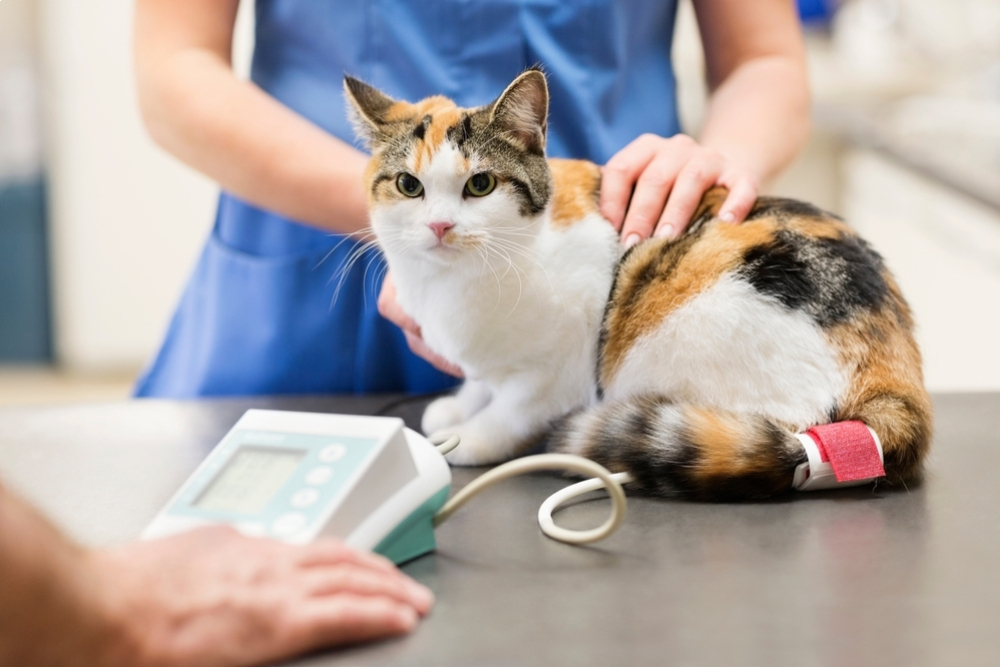
At Stack Veterinary Hospital, our team uses non-invasive blood pressure cuffs specifically designed for cats. Multiple readings are taken in a calm environment to ensure accuracy. We also examine the eyes for retinal changes, assess kidney and thyroid values, and perform cardiac evaluations when needed. These tests not only confirm hypertension but also help identify its underlying cause, critical for long-term management.
For complex cases requiring advanced diagnostics, our board-certified cardiologist performs comprehensive cardiac ultrasounds and creates personalized treatment plans tailored to your cat’s specific heart health needs. Our board-certified radiologist provides expert imaging interpretation to identify organ damage or structural changes caused by prolonged high blood pressure. This specialized expertise ensures your cat receives the most accurate diagnosis and effective treatment available.
Because stress can temporarily elevate blood pressure, our feline-friendly team uses quiet exam rooms and gentle restraint to help your cat relax during testing. This approach improves accuracy and reduces anxiety during follow-up visits.
Treatment and Management Options for Feline Hypertension
Tailored Veterinary Care Plans
Once diagnosed, managing feline hypertension typically involves medication to control blood pressure and ongoing monitoring to ensure stability. The most common medications, which include calcium channel blockers and ACE inhibitors, help relax blood vessels and reduce strain on the heart and kidneys.
Most cats with hypertension receive their medication orally, either as a small tablet or flavored liquid that can be mixed with food. Amlodipine, a calcium channel blocker, is often the first choice because it’s effective and well-tolerated by most cats. It works by relaxing the smooth muscle in blood vessel walls, allowing blood to flow more easily and reducing pressure on sensitive organs. ACE inhibitors provide additional support by blocking hormones that cause blood vessels to constrict. Some cats need a combination of medications to achieve stable control, especially when kidney disease or heart disease complicates treatment. Our veterinarians carefully explain how to administer medications at home and what side effects to watch for, such as decreased appetite, lethargy, or changes in water consumption. We also provide written instructions and demonstrations to ensure you feel confident managing your cat’s treatment. If your cat resists medication, we can suggest compounding options, including transdermal gels applied to the ear or flavored suspensions that make administration easier.
For cats with concurrent kidney or thyroid disease, treatment focuses on controlling the underlying condition while managing blood pressure. Dietary adjustments, fluid therapy, and hormone-regulating medications often form part of the overall plan.
A balanced diet and proper weight management also play essential roles in recovery. At Stack Veterinary Hospital, we work closely with cat owners to design nutrition and medication plans that fit their cat’s specific health profile. Our team collaborates to track progress and adjusts dosages for the best results.
Because blood pressure control is a lifelong commitment, our veterinarians schedule rechecks every few weeks until levels stabilize, then transition to regular monitoring every few months. This steady approach minimizes complications and helps your cat live comfortably for years to come.
Supporting Hypertensive Cats at Home
Reducing Cat Stress and Maintaining Routine
A calm environment is one of the most powerful tools for supporting blood pressure control. Stress triggers hormonal responses that elevate blood pressure and worsen existing disease. Limiting exposure to loud noises, maintaining consistent feeding and medication schedules, and creating quiet resting areas all make a difference.
Understanding your cat’s life stressors can guide simple home adjustments, such as adding hiding spots, perches, or pheromone diffusers to promote security and relaxation. For multi-cat households, providing separate feeding and litter areas helps minimize competition and tension.
Environmental consistency is especially important for older cats or those with vision loss. Avoid rearranging furniture or changing feeding locations, and use nightlights to help your cat navigate more confidently. Cats that lose sight due to hypertension can still live full, comfortable lives when supported with these simple accommodations.
As a Cat Friendly Certified hospital, Stack Veterinary Hospital places special emphasis on reducing stress both at home and during visits. Our feline-only exam rooms, gentle handling protocols, and calming pheromones help cats feel safe throughout their care experience.
Proactive Feline Hypertension Management with our Compassionate Veterinary Team
High blood pressure doesn’t have to shorten your cat’s life or quality of living. With consistent monitoring, attentive care, and an experienced veterinary team, most cats with hypertension thrive for many years. The key is vigilance; watch for subtle changes in behavior, appetite, or vision and seek veterinary attention right away.
At Stack Veterinary Hospital, we combine advanced diagnostics and expert care with a century of compassion, helping families protect their cats through every stage of life. If your cat is over seven years old, or if you’ve noticed signs of vision loss or disorientation, schedule a screening today. You can request an appointment or contact our team to discuss your concerns.


Leave A Comment