

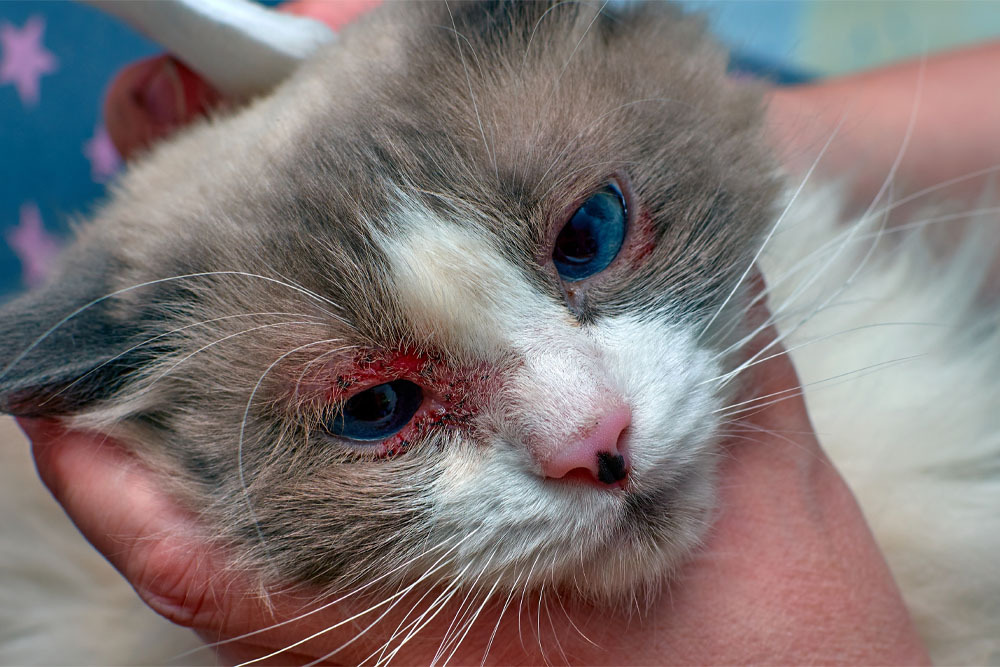
For breeds like Shar Peis, Bulldogs, Chow Chows, St. Bernards, and Bloodhounds, eyelid abnormalities are part of a known genetic landscape, but “expected” does not mean “harmless.” Entropion, where the lid rolls inward and the hair rubs directly against the cornea, and ectropion, where the lid droops and exposes the conjunctiva to constant irritation and drying, are both conditions that can progress to significant ocular damage without surgical correction. The outcomes of properly performed surgical correction are excellent, with most dogs returning to full comfort and normal lid function.
Stack Veterinary Hospital in Syracuse is one of the most established veterinary practices in Central New York, AAHA-accredited since 1957, and surgical excellence is part of how we have earned that standing. Our expert surgeons provide an exceptional level of precision for procedures like eyelid correction. Request an appointment to get your dog’s or cat’s eyes evaluated.
Key Takeaways
- Entropion (eyelid rolling inward) and ectropion (eyelid sagging outward) are common in certain dog breeds and increasingly seen in older cats with chronic eye disease or significant weight loss.
- Untreated eyelid abnormalities can progress to corneal ulcers, scarring, chronic infections, and in severe cases, permanent vision loss.
- Definitive surgery has consistently excellent outcomes when performed by experienced surgeons, with most pets returning to full comfort and normal lid function long-term.
- Recovery typically takes 2 to 6 weeks, with the first 7 to 10 days requiring strict use of an Elizabethan collar to protect the surgical site.
What Are Entropion and Ectropion?
Entropion is when an eyelid rolls inward toward the eye, causing hair on the lid surface to scrape the cornea with every blink. Ectropion is the opposite: the lid sags outward and exposes the inner conjunctival tissue to air and environmental irritants. Both interfere with the eyelid’s main job of protecting and lubricating the eye surface.
Entropion in dogs is the more common of the two. The eyelid (often the lower lid, sometimes the upper, sometimes both) rolls inward, producing irritation, increased tearing, squinting, and over time, corneal damage and ulceration.
Ectropion sags outward and away from the eye. The “droopy lower lid” appearance some breeds are known for is mild ectropion. More severe cases produce chronic irritation, recurrent infections, and tear film instability.
Some pets have both conditions simultaneously or asymmetric involvement with one eye more affected than the other. We evaluate each lid individually, because accurate diagnosis matters: eyelid abnormalities can coexist with or mimic other eye problems, and a complete evaluation looks at lid position, tear production, corneal health, and the surrounding ocular structures.
Which Breeds Are Most Likely to Develop Entropion or Ectropion?
Genetics and facial structure drive most eyelid abnormalities. Brachycephalic breeds, breeds with loose facial skin, and breeds bred for deep-set eyes or droopy lids are most commonly affected. Age, chronic eye disease, weight loss, and previous eye injuries can also contribute to acquired cases in any breed.
The breeds most commonly affected by eyelid disorders include:
- Entropion-prone breeds: Shar Peis (the classic example, often presenting with severe entropion in puppyhood), Chow Chows, Bulldogs, Mastiffs, Rottweilers, Cocker Spaniels, Labrador Retrievers, Golden Retrievers, Boxers, and Pugs. Hereditary eyelid conditions are well-documented in some breeds, with breed registries tracking the issue.
- Ectropion-prone breeds: Saint Bernards, Bloodhounds, Bullmastiffs, Newfoundlands, and Great Danes. The droopy lower lid that is part of these breeds’ look becomes pathological when severe enough to cause chronic irritation.
- Cats: Less commonly affected than dogs, but flat-faced breeds including Persians and Himalayans can develop entropion, often later in life or related to chronic eye disease.
Beyond breed, contributing factors include age-related tissue changes that loosen lid support, chronic inflammation pulling the lid out of position, previous eye injuries or surgeries, pain-induced squinting that becomes habitual, and significant weight loss in older patients from loss of orbital fat. Breed-related cases often appear in puppyhood; age-related cases develop gradually over years.
What Symptoms and Complications Come From Untreated Eyelid Conditions?
Eyelid abnormalities produce a recognizable cluster of signs in both dogs and cats: squinting, excessive tearing, redness, discharge, and rubbing at the eyes. Untreated cases progress to corneal damage, chronic infections, and in severe cases, vision loss. The cornea is one of the most pain-sensitive tissues in the body, so the discomfort is real and ongoing.
- Persistent squinting, especially in bright light
- Excessive tearing or a wet face
- Eye discharge (clear, yellow, or green)
- Redness of the eye or surrounding tissue
- Rubbing the eye with paws or against furniture
- Reluctance to be touched on the face
- Visible eyelid abnormality on inspection
- Cloudy or discolored cornea (a more advanced sign)
- Loss of vision in severe long-standing cases
Untreated entropion progresses through a predictable sequence: initial irritation produces increased tearing and squinting, constant lash friction creates surface erosion, corneal ulcers develop (sometimes deep enough to threaten the eye), and chronic disease produces corneal scarring and pigmentation that can permanently impair vision. In the worst cases, the eye is lost.
Untreated ectropion follows a different path: the exposed conjunctiva dries out, becomes chronically inflamed, and develops repeated bacterial infections. Eye discharge becomes constant, tear film instability worsens corneal health, and the pain is less acute than with entropion but still real. The longer either condition goes unaddressed, the more complicated treatment becomes.
How Do Veterinarians Diagnose Eyelid Abnormalities?
Diagnosis combines a thorough eye examination with tests that measure tear production, identify corneal damage, and confirm whether the eyelid position problem is structural or pain-driven. That distinction matters because pain-induced squinting from a corneal ulcer can mimic true entropion, and the two need very different approaches.
A complete diagnostic workup may include:
- Visual inspection of eyelid position with the patient looking at different angles; some entropion is visible at rest, others only show when the patient is squinting from pain
- Topical anesthetic application to distinguish pain-induced squinting from true structural problems; if the eyelid relaxes once the eye is numb, the problem is pain-related rather than structural
- Schirmer tear test to measure tear production; tear deficiency may need separate management before surgical correction
- Fluorescein staining to detect corneal ulcers or surface defects
- Slit lamp biomicroscopy for magnified evaluation of the eye surface and structures
- Tonometry to measure intraocular pressure when other concerns exist
- Evaluation for eyelash problems including ectopic cilia and distichiasis, which can coexist with entropion
A complete eye exam takes 15 to 30 minutes and produces the information needed for treatment planning.
How Are Entropion and Ectropion Treated?
Treatment depends on age, severity, contributing factors, and whether anatomy is still developing. Options range from temporary measures that protect the cornea while planning longer-term solutions, to definitive surgical correction that resolves the structural problem. The right approach is individualized rather than dictated by a default protocol.
Temporary or Short-Term Measures
Not every case requires immediate definitive surgery. Temporary eyelid tacking uses small sutures placed in the lid skin to roll the lid into a more normal position. The sutures are temporary, lasting weeks to months before the body absorbs them.
This approach is appropriate for:
- Growing puppies whose facial structure is not yet final, where definitive correction would risk overcorrection as anatomy changes
- Pets with pain-induced squinting where the entropion may resolve once pain is treated
- Cases where short-term protection of the cornea is needed while planning definitive surgery
- Bridging while the patient is medically stabilized for general anesthesia
Tacking can be repeated as needed and does not preclude permanent correction later.
Permanent Surgical Repair
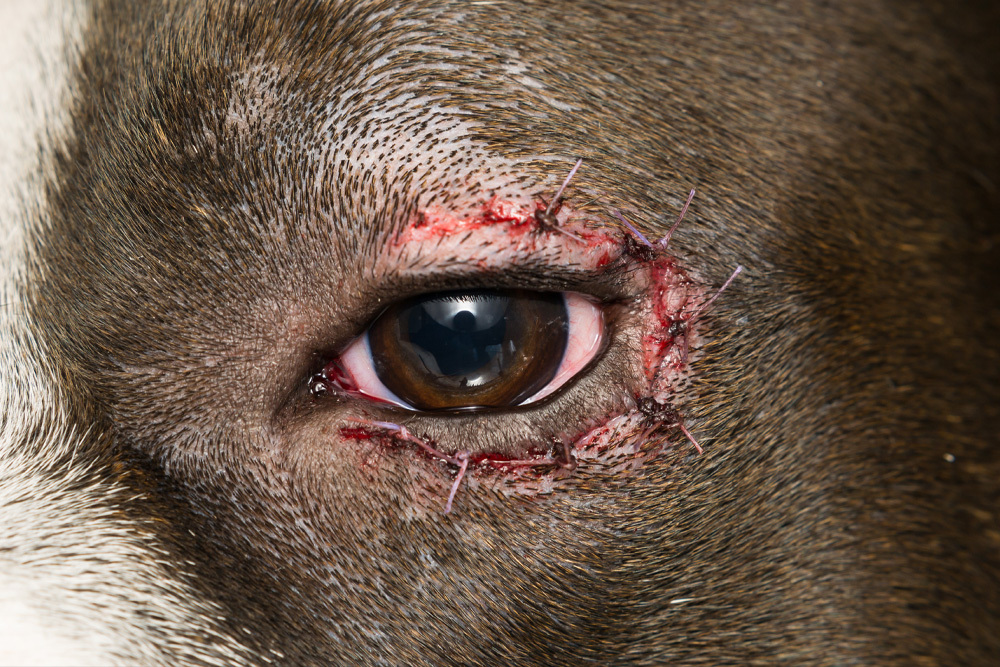
Definitive surgery is the lasting fix when eyelid conditions are clearly structural. The most common procedure for entropion is the Hotz-Celsus technique, which removes a strip of skin and underlying tissue from the lid, then closes the wound to roll the lid into a more normal position. For ectropion, several techniques tighten and shorten the lid to reduce sagging.
Eyelid surgery requires precise judgment. Removing too much tissue causes overcorrection, which is a different problem in itself. Removing too little leaves residual entropion. The conservative approach is preferred: a minor revision is far easier than managing the consequences of overcorrection. Our comprehensive surgery for dogs and cats in Syracuse brings the precision these procedures require, combining careful preoperative planning with surgical technique individualized to each patient’s specific anatomy.
Entropion in Cats
Cats present differently than dogs. Entropion in cats more commonly develops in middle-aged or older cats, often as a complication of chronic eye surface disease or following loss of orbital fat in cats with significant weight loss.
Cats sometimes need a combination of surgical techniques tailored to their specific situation, addressing both the lid position and any underlying ocular surface disease. For cats with anxiety around veterinary visits, our Cat-Friendly certification means they are treated to a feline-only waiting room, exam room, and ward, plus Feliway pheromone diffusers and a minimal restraint approach, which reduce stress significantly. House call appointments are also available when that suits a particular cat better.
What Should You Expect on Eyelid Surgery Day?
Eyelid correction is typically a same-day surgery with most patients home that evening. The procedure runs 30 to 60 minutes for routine cases and longer for complex or bilateral surgeries, with full anesthetic monitoring throughout. Recovery instructions and pain medication go home with you at discharge.
The surgical process at Stack typically follows this flow:
- Pre-surgical confirmation: Final exam, review of pre-anesthetic bloodwork, and confirmation of the surgical plan
- Anesthesia induction: Customized protocols based on patient size, age, breed, and any medical concerns
- Surgical preparation: Eye area prepped, surgical drapes positioned
- The procedure itself: Typically 30 to 60 minutes for routine eyelid surgery, longer for complex or bilateral cases
- Continuous monitoring: Heart rate, oxygen saturation, blood pressure, ECG, and temperature throughout
- Pain management: Pre-emptive pain control before the procedure begins, with post-operative medications continued through recovery
- Recovery monitoring: Patients are watched closely as anesthesia wears off
- Discharge: Same day for most routine cases, with detailed home care instructions
Our surgical services include heated tables and warming systems, close post-operative monitoring with their own assigned technician, and standards that reflect 65 consecutive years of AAHA accreditation.
What Does Recovery From Eyelid Surgery Look Like?
Recovery from eyelid surgery typically takes 2 to 6 weeks for full healing, with the first 7 to 10 days being the most critical for protecting the surgical site. The Elizabethan collar is non-negotiable during this period; even a few seconds of rubbing can disrupt sutures and undo surgical work.
The First Few Days
Normal recovery signs include mild swelling at the surgical site, slight bruising of the eyelid, mild discharge initially, and decreased squinting compared to before surgery. Concerning signs that warrant a call include severe swelling that worsens after day 2 or 3, increased discharge (particularly thick or yellow), increased redness, severe pain not controlled by medications, eyelid not closing properly, and any rubbing or scratching despite the cone.
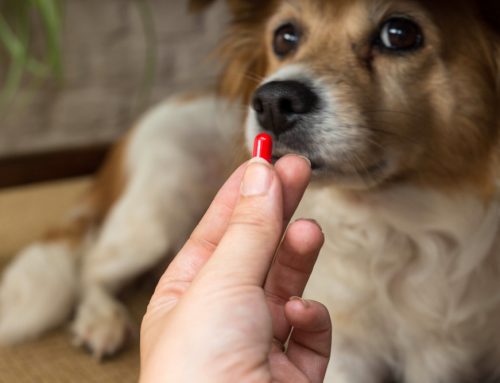
Giving your pet eye medications takes practice, particularly for pets who do not initially cooperate, and we will demonstrate the technique at discharge.
Healing Timeline and Follow-Up Care
The typical recovery sequence:
- Day 0 to 3: Most swelling and discomfort
- Day 4 to 7: Improvement in swelling, eye visibly more comfortable
- Day 7 to 14: Suture removal at recheck appointment, or absorbable sutures dissolve naturally
- Week 2 to 6: Eyelid position settles into its final state
- Week 6: Most patients are fully recovered
Recheck appointments at suture removal and again at 4 to 6 weeks confirm proper healing and final lid position. Small revisions are occasionally recommended if subtle residual issues remain, reflecting the conservative-correction-first approach.
What Are the Expected Outcomes After Eyelid Correction Surgery?
Eyelid surgery has consistently excellent outcomes when performed by experienced surgeons. Most pets experience immediate relief from irritation, visible comfort improvement within days, normalization of tear production and eye surface health over weeks, long-term stability of the corrected lid position, and no need for ongoing management beyond routine wellness.
Factors that affect outcomes include the severity of original malposition, overall eye health at the time of surgery, completion of growth for puppies, and quality of home care during recovery. Realistic expectations matter: pre-existing corneal scarring may not completely resolve after lid correction, but pain relief and protection from further damage are achieved. Pre-existing pigmentation, the brown discoloration of the cornea from chronic disease, is similar: it may stabilize but does not necessarily reverse.
For those showing dogs competitively, breed registry rules around eyelid surgery vary. Some breeds prohibit show dogs from competing after corrective surgery. Confirming with the relevant registry before scheduling avoids unintended consequences.
Frequently Asked Questions About Entropion and Ectropion
How young can entropion be corrected?
Temporary tacking can be done at any age and is often performed in puppies as young as a few weeks old when severe entropion threatens the cornea. Definitive surgery is typically delayed until the dog is at least 6 to 12 months old, depending on breed, to allow facial structure to mature.
Will my insurance cover the surgery?
Many pet insurance plans cover eyelid surgery when documented as a medical necessity rather than cosmetic. Check your specific policy. Pre-existing condition exclusions apply, so coverage works best when the policy was in place before symptoms developed.
Can entropion or ectropion come back after surgery?
Properly performed surgery rarely needs revision. Some severe cases (especially complex Shar Pei entropion) may need a follow-up procedure to fine-tune. Age-related ectropion can occasionally recur as facial tissues continue to change with age.
What about non-surgical management?
Eye lubricant ointments and antibiotic drops can manage symptoms temporarily but do not address the underlying mechanical problem. They are useful as bridges before surgery or for cases where surgery is not appropriate, but they are not a cure.
Restoring Comfort to Pets With Entropion or Ectropion
Entropion and ectropion are highly manageable conditions, and timely, precise surgical correction restores comfort and protects vision. Addressing eyelid problems early makes the path forward smoother; chronic untreated disease still benefits from correction but presents more complex situations with more variable outcomes.
If your pet is showing signs of eye discomfort, persistent squinting, increased tearing, or visible eyelid abnormalities, our team in Central New York can evaluate the situation and discuss the right approach. Contact us to schedule an appointment, and we will work through what your pet needs.

Leave A Comment