

A practice that has been part of a community since 1910 has watched a lot of pets grow old, and what that history teaches is that the patients who do best in their senior years are almost always the ones whose owners started asking the right questions early. Blood pressure screening, labs to evaluate organ function, thyroid testing, and thorough imaging are the cornerstones of senior care precisely because they find things before symptoms give them away
A dog with early kidney disease does not look sick until they do, and by then the disease is far more advanced than it needed to be. A cat with undetected hyperthyroidism may seem fine, just “eating more” and “a little thinner,” while the condition quietly taxes the heart and kidneys. Stack Veterinary Hospital in Central New York has been AAHA-accredited for 65 consecutive years, a record that reflects a sustained commitment to the standards that make this kind of proactive care possible. Our comprehensive diagnostics include the imaging, bloodwork, and specialized testing that senior screening requires. Contact our team to schedule a senior wellness visit worth the name.
Why Is Physical Exam Alone Insufficient for Older Pets?
A veterinarian can detect a heart murmur, feel an enlarged organ, and note muscle loss during a physical exam. What an exam cannot do is measure a creatinine trending upward signaling kidney decline, confirm that a thyroid has crossed into disease territory, or detect cardiac enlargement before it becomes audible. That gap is where preventive testing does its most important work.
Senior pets age faster than their owners. Conditions that develop over years in humans can progress meaningfully in months in a dog or cat. Twice-yearly wellness care visits with targeted diagnostics allow our team to track trends, and trending data is far more powerful than a single value. A creatinine of 2.1 by itself is informative. A creatinine that was 1.3 eighteen months ago, then 1.6 eight months ago, and is now 2.1 tells a story about trajectory that changes decisions.
What Does Senior Screening Typically Include?
Senior pet care recommendations guide which tests to prioritize based on species, size, breed, and individual history. At Stack, our team tailors each screening plan to the patient. Common components include:
- Blood work (CBC, chemistry panel, thyroid testing)
- Urinalysis to evaluate kidney concentration and screen for infection or disease
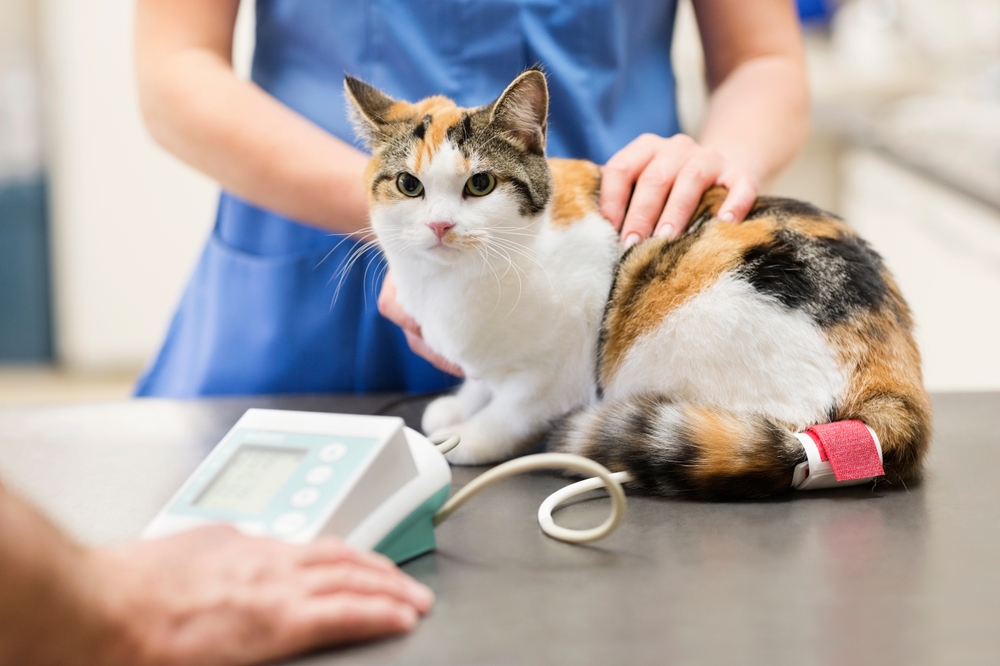
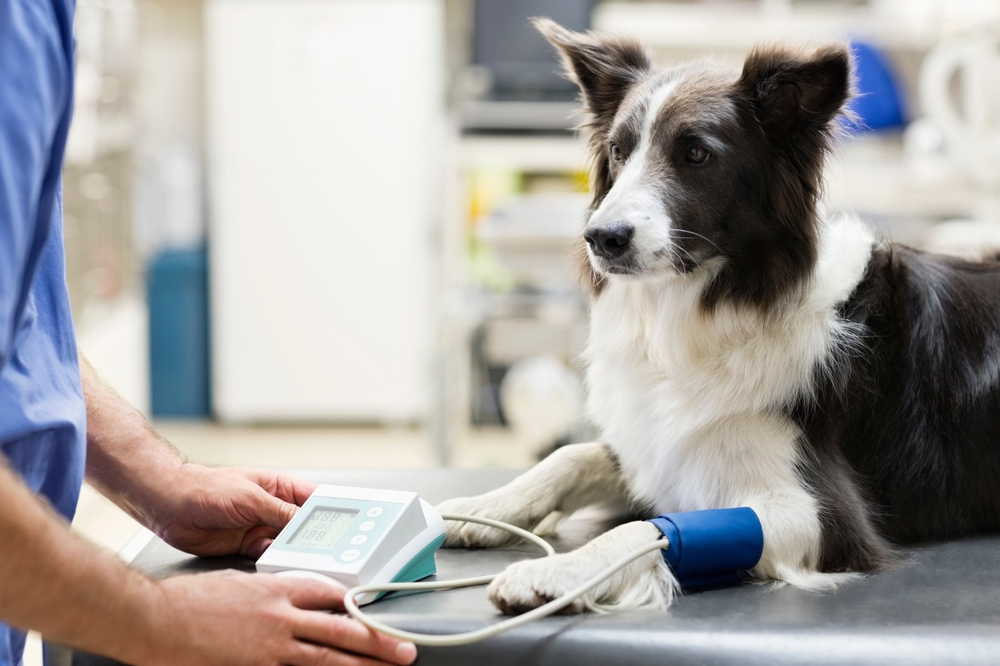
- Blood pressure measurement to detect silent hypertension
- Imaging such as chest or abdominal radiographs
- Additional testing based on findings and breed-specific risks
We personalize our recommendations to your pet. Older cats commonly develop kidney disease. Small breed dogs develop heart and dental disease. Large breed dogs are more prone to arthritis and certain cancers. Specific breeds are more prone to some diseases than others, and our expert team will create a plan that’s built for your pet’s individual risk factors.
What Do Blood Panels Reveal Before Symptoms Appear?
Blood panels provide a snapshot of internal organ function that no external examination can replicate. Stack’s in-house laboratory allows results at the appointment rather than days later, so treatment decisions can be made immediately.
| Test | What It Measures | What It Can Detect |
| CBC (Complete Blood Count) | Red cells, white cells, platelets | Anemia, infection, immune disorders, bone marrow issues |
| Chemistry Panel | Kidney, liver, blood glucose, proteins | Kidney disease, liver disease, diabetes, protein loss |
| Thyroid (T4) | Thyroid hormone level | Hypothyroidism in dogs, hyperthyroidism in cats |
| Heartworm/Tick Panel | Antigen/antibody presence | Heartworm, Lyme, Ehrlichia, Anaplasmosis |
Values within normal range are still meaningful when compared to previous results. That is why establishing baselines during the healthy adult years, and continuing to run panels consistently as a pet ages, produces the most actionable information.
Why Should Senior Pets Have Blood Pressure Screening?
Hypertension in pets is called a silent condition for good reason: it produces no visible signs until significant organ damage has occurred. Elevated blood pressure damages the kidneys, stresses the heart, affects the brain, and can cause retinal detachment, resulting in sudden blindness that could have been prevented with earlier detection and treatment.
Chronic kidney disease and feline hyperthyroidism are the most common underlying causes of secondary hypertension in cats. Cushing’s disease and kidney disease drive it in dogs. Blood pressure measurement is non-invasive and takes only a few minutes as part of a senior visit. Identifying hypertension early allows treatment before damage accumulates. Stack Veterinary Hospital’s comprehensive diagnostic capabilities allows for blood pressure and lab testing to occur in one easy visit.
What Value Does Urinalysis Add to Blood Work?
Blood work and urinalysis evaluate kidney health from two different directions, and the combination is considerably more informative than either alone. Blood chemistry measures what the kidneys are failing to filter; urinalysis measures how well the kidneys are concentrating urine and whether abnormal substances are present.
Early kidney disease often shows decreased urine concentrating ability while blood values are still within normal range. Urinalysis can also screen for diabetes before blood glucose is definitively elevated, detect bladder infections, and identify protein loss through the kidneys that warrants monitoring.
How Does Cardiac Screening Work for Senior Pets?
Heart disease develops gradually and often silently. By the time a cough or exercise intolerance appears, the disease may be well advanced. Routine heart disease diagnosis through screening catches it earlier, when treatment options are broader and outcomes are better.
| Tool | What It Evaluates |
| Chest X-ray | Heart size and shape, lung fluid, vessel changes |
| Echocardiogram | Heart structure, valve motion, pumping efficiency |
| NT-proBNP testing | Cardiac stress biomarker in blood for early detection |
| ECG/EKG | Heart rhythm and electrical activity |
All of these tests are non-invasive and well-tolerated. Stack’s cardiology services offer board-certified expertise with the advanced testing needed to diagnose and manage heart disease, all in our Syracuse hospital- no need for referrals.
When Is Imaging Recommended for Senior Pets?
Physical examination and blood work provide important information, but imaging reveals what neither can: structural changes, masses, organ size abnormalities, and internal fluid. Radiography is typically the first imaging modality used. Chest X-rays evaluate heart size, lung tissue, and early signs of cardiac or pulmonary disease. Abdominal X-rays screen organ dimensions, calcification, and abnormal gas patterns. Digital radiographs at Stack allow immediate review and comparison to prior films.
Ultrasound visualizes internal structure in real time without radiation exposure. It is invaluable for evaluating liver and spleen texture, kidney architecture, adrenal gland changes, and bladder health. When a chemistry panel shows elevated liver enzymes or a physical exam reveals an enlarged organ, ultrasound is typically the logical next step. Stack’s dedicated ultrasound service with a board-certified radiologist is available for senior patients requiring abdominal or cardiac evaluation.
What Conditions Does Senior Screening Help Identify?
What Is Hypothyroidism in Senior Dogs?
Hypothyroidism occurs when the thyroid gland produces insufficient hormone, slowing metabolism throughout the body. It is the most common hormonal disorder in middle-aged and senior dogs. Signs develop gradually and overlap with normal aging: unexplained weight gain, persistent low energy, cold intolerance, a thinning or dull coat, and recurrent skin or ear infections. A T4 level in routine bloodwork answers the question definitively, and most dogs on daily thyroid supplementation show significant improvement within six to eight weeks.
What Is Hyperthyroidism in Senior Cats?
Feline hyperthyroidism is the opposite problem: an overactive thyroid producing excess hormone that accelerates metabolism in every system. Cats lose weight despite a good or increased appetite, become hyperactive, vocalize more, and may develop an unkempt coat, vomiting, or diarrhea. Hyperthyroidism also drives secondary hypertension and can mask underlying kidney disease, which makes careful treatment planning important. Options include daily medication, a prescription iodine-restricted diet, radioactive iodine therapy, or surgery, depending on your cat’s overall health and your preferences.
How Does Chronic Kidney Disease Progress?
Chronic kidney disease is common in both species but particularly prevalent in cats over ten. The kidneys have significant reserve capacity, and blood values often remain normal until approximately 75 percent of function is lost. By the time a cat shows increased thirst, reduced appetite, weight loss, and vomiting, the disease is substantially advanced. Urinalysis and blood chemistry together identify early disease while meaningful reserve remains. Early intervention, including dietary change, blood pressure management, and hydration support, allows many pets to maintain quality of life for years.
What Types of Heart Disease Affect Senior Pets?
Heart disease in senior pets varies by species and breed. Three main types warrant particular attention:
- Mitral valve disease is the most common cardiac condition in small-breed dogs, progressing as the valve gradually fails to close completely. Chihuahuas and Cavaliers are especially prone to mitral valve problems.
- Dilated cardiomyopathy is more common in large-breed dogs, particularly Dobermans, where the heart muscle weakens and chambers enlarge.
- Hypertrophic cardiomyopathy is the predominant cardiac condition in cats, involving thickening of the heart muscle; it’s common in cats with hyperthyroidism.
All three progress silently in early stages. Early detection allows heart disease treatment to begin before congestive heart failure develops, significantly improving both quality of life and prognosis.
How Is Cancer Detected Early in Senior Pets?
Cancer is unfortunately common in senior pets, and certain types have presentations that screening helps catch early. Several common cancers require specific attention:
- Lymphoma often presents as enlarged lymph nodes detectable on physical exam or internal organ involvement visible on ultrasound. Golden Retrievers are more commonly affected than other breeds.
- Hemangiosarcoma, a tumor of blood vessel cells most commonly affecting the spleen in dogs, can cause sudden internal bleeding if not identified; abdominal ultrasound identifies splenic changes before rupture occurs. It’s more common in large breed dogs.
- Osteosarcoma presents as lameness or localized swelling and is diagnosed and staged with radiography. Giant breeds, like Great Danes, and Rottweilers tend to be more prone.
Any new lump, unexplained lameness, or non-healing wound warrants evaluation rather than a wait-and-see approach. Stack’s surgery services support patients who need intervention after diagnosis.
How Is Liver Disease Managed When Detected?
Liver disease is frequently discovered through blood work before outward signs appear. Elevated liver enzymes prompt further evaluation including additional liver function tests, imaging, and sometimes biopsy depending on severity. Early identification allows dietary management, medications supporting liver function, and treatment of underlying causes like Cushing’s disease or medication side effects before the condition progresses significantly.
What Options Exist for Managing Arthritis and Joint Pain?
Arthritis affects a significant proportion of dogs over seven and many cats as well, often recognized late because pets mask pain effectively. Joint supplements including glucosamine, chondroitin, and omega-3 fatty acids support cartilage health and are appropriate for most senior dogs as a foundational measure. Stack’s pharmacy carries a full range of hip and joint supplements and Nutramax Welactin Omega-3 for daily omega-3 support.
Multiple therapeutic options help manage joint disease in senior pets:
- Laser therapy reduces joint inflammation and supports tissue healing with cumulative effects over a series of sessions
- Rehabilitation helps to keep muscles strong and improve balance, keeping seniors moving comfortably longer.
- Solensia is a monthly injection for cats that targets the nerve growth factor pathway involved in pain signaling, representing a significant advance in feline pain management
- Librela provides the same mechanism for dogs
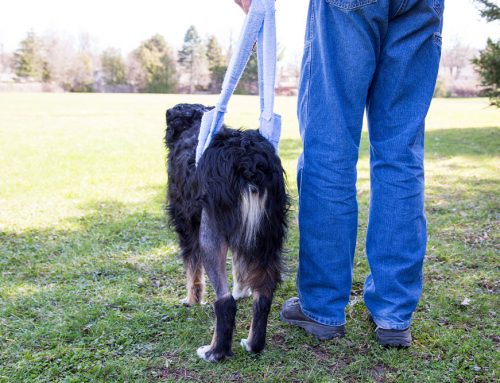
- Mobility harnesses for front legs and hind legs support patients with significant weakness or balance issues during rehabilitation and at home
Stack’s dedicated laser therapy and rehabilitation services offer structured programs for arthritic patients with our Certified Rehabilitation Practitioner.
Why Is Dental Disease Common in Senior Pets?
Most pets have some level of periodontal disease by age 3. By age eight to ten, significant periodontal disease is common in dogs and cats, and its consequences extend well beyond the mouth. The bacterial load from infected gum tissue enters the bloodstream and contributes to kidney, liver, and cardiac disease over time. Some pets, especially small breeds, will develop enough bone loss from dental infections that they experience jaw fractures.
Dental care through professional cleaning under anesthesia is the only way to address disease below the gum line, scale effectively, take dental radiographs, and extract teeth that cannot be saved. Pre-anesthetic blood work confirms it is safe to anesthetize the patient and helps tailor the protocol. Signs to watch for include persistent bad breath, reluctance to eat hard food, dropping food, pawing at the mouth, or discolored and broken teeth. Stack’s dental care services address all of these needs.
Frequently Asked Questions About Senior Pet Screening
How often should a senior pet be screened?
Twice yearly is the standard recommendation for pets over seven years depending on species and size. Conditions can change significantly between annual appointments at this life stage. Some pets with existing conditions may benefit from even more frequent monitoring.
What are early signs that screening is overdue?
Increased thirst or urination, weight changes without dietary change, reduced activity, changes in appetite, or new lumps of any kind all warrant a visit. Many serious conditions produce subtle signs first, and catching them early makes a real difference in outcomes.
Is anesthesia safe for older pets?
Pre-anesthetic bloodwork identifies concerns that affect protocol selection, making anesthesia considerably safer. Age alone is not a reason to avoid necessary procedures. In fact, delaying important care due to age concerns often results in worse outcomes than proceeding with appropriate precautions in place.
What does it mean if all results come back normal?
A normal result in a senior pet is genuinely good news, and it establishes a current baseline for comparison at the next visit. Normal results do not mean screening was unnecessary; they provide reassurance and a reference point that makes any future changes meaningful.
What does senior screening cost?
Costs vary based on which tests are included. Our team at Stack can walk through what is recommended for a specific patient and what each component involves before the appointment. We can also discuss payment options and help you understand the value each test provides for your pet’s health.
Giving Your Senior Pet Their Best Years
Older pets are not inevitably in decline; they are in a life stage that responds well to attentive, proactive care. The screenings described here exist because they work: catching disease early, guiding treatment before damage accumulates, and keeping pets comfortable and engaged for longer.
Stack Veterinary Hospital has been doing this work in Central New York for over a century. Request an appointment to schedule a senior wellness visit, or contact our team with questions about what screening makes sense for a pet’s current life stage.


Leave A Comment