

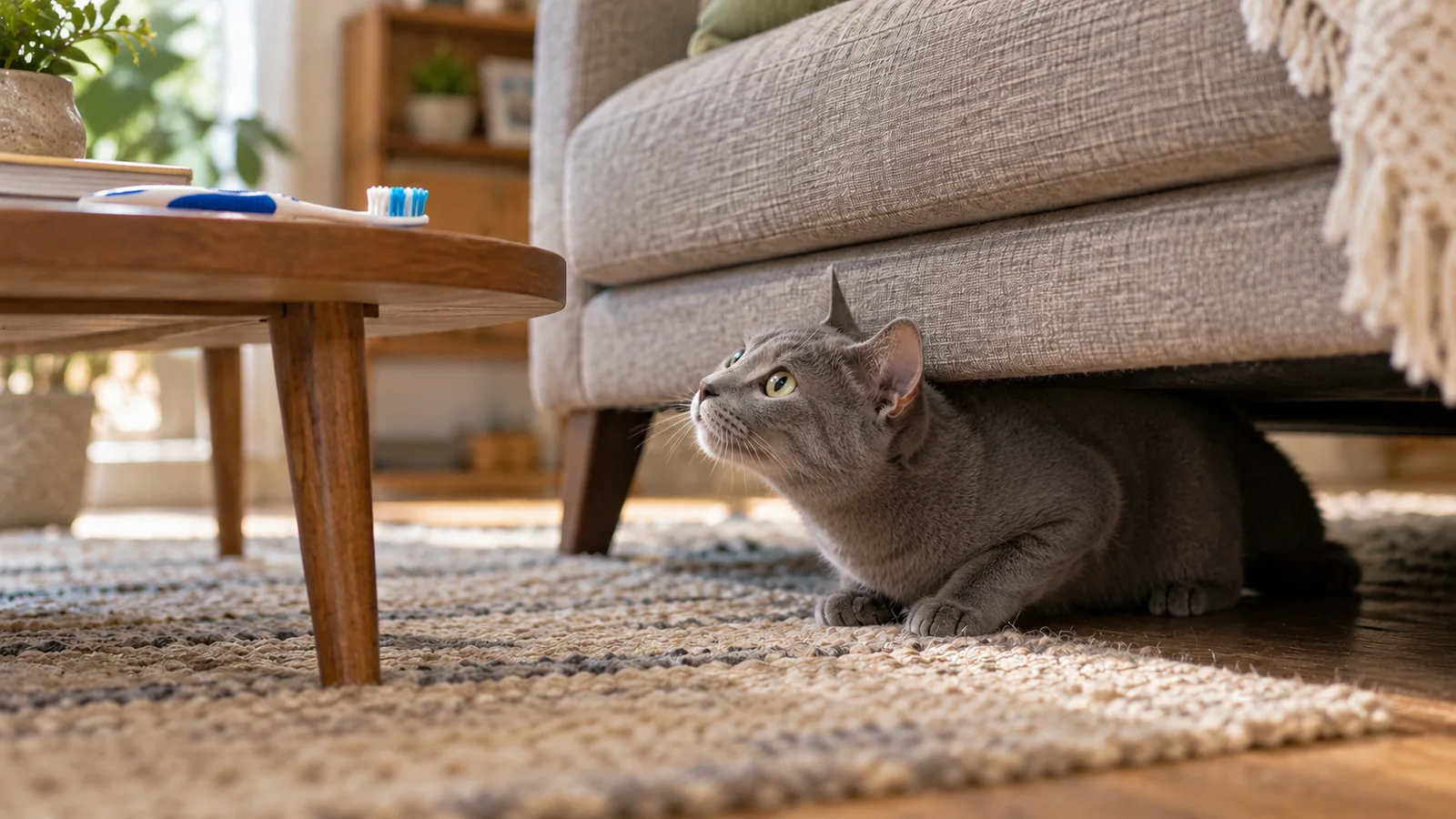
Not every dog or cat is willing to sit still for a toothbrush, and that's okay! While daily brushing is the best way to keep plaque under control, it's not your only option. Dental wipes, soft cloths, and finger brushes can help remove plaque before it hardens into tartar. Dental gels, sprays, and water additives may also help, especially when used alongside something that physically wipes plaque away. The trick is finding a routine your pet will tolerate and sticking with it. Keep in mind, though, that once plaque hardens into tartar, you can't remove it at home. That's where professional dental cleanings come in.
At Stack Veterinary Hospital, we know that some pets need a little extra patience when it comes to having their mouths handled. We'll help you explore different tools and techniques to make home dental care easier, even if brushing isn't currently an option. Our approach to dental care for dogs and cats in Syracuse includes thorough oral exams and dental X-rays during professional cleanings to check for problems hiding below the gumline. As a Cat Friendly Practice, we have a dedicated feline exam room and use gentle, minimal-restraint handling to help our feline patients feel more comfortable. Schedule a dental exam, and let's find a dental care routine that works for you and your pet.
Home Dental Care Without Brushing: The Basics
- Brushing is still the most effective tool at home, and frequency decides the benefit: daily or every other day, not weekly.
- A wipe, cloth, or finger glove used every day comes close enough to a brush to count as a real plan.
- Gels, sprays, water additives, chews, and dental diets all do more layered on top of mechanical contact than alone.
- No home product lifts hardened tartar or treats disease below the gumline, so professional cleanings stay in the plan.
Why Does Daily Dental Care Matter If My Pet Seems Fine?
Dental disease starts quietly, long before anything looks wrong from across the room. Bacteria form a sticky film called plaque within hours of a cleaning, and minerals in saliva harden it into tartar within a couple of days, giving the next layer something rough to grab. Once inflammation reaches the tissue below the gumline, periodontal disease starts breaking down the bone and ligament that anchor the tooth.
Gum inflammation comes first and is reversible; the bone loss that follows isn't. Advanced dental disease is also linked to changes in the heart, kidneys, and liver. Daily care doesn't stop plaque from forming, but it knocks the film down before it hardens, which usually means fewer cleanings over a lifetime and less dentistry at each one. Some problems, though, are past what a wipe or a gel can help:
- A discolored or broken tooth: needs an exam rather than a product.
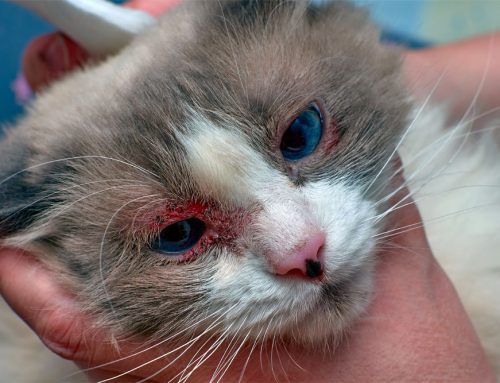
- A firm swelling under an eye: often means an abscessed tooth root.
- Any sign that your pet's mouth hurts: we take emergencies during our open hours, so call us instead of waiting it out.
How Often Do I Really Have to Brush My Pet's Teeth?
Brush daily if you can, and treat every other day as the floor rather than the target. In studies, brushing every other day cut plaque and tartar over several months, while brushing once a week didn't show a meaningful benefit. Bristles physically break up biofilm, the living bacterial mat that rebuilds itself on the tooth every day, and no enzyme, rinse, or kibble shape fully matches that.
Teaching Your Pet That the Brush Isn't a Threat
Resistance is usually an introduction problem rather than a fixed personality trait. In one study, pets getting daily dental care settled in within a few weeks, with stress and anxiety scores dropping rather than climbing.
- Start outside the mouth: touch the muzzle, lift a lip for a second, then follow it with a treat they love.
- Move to a finger: let your pet lick pet toothpaste off your fingertip, then rub one front tooth.
- Add texture: gauze or a finger brush over that fingertip, outer surfaces only, a few teeth at a time.
- Bring in the brush: a few teeth per session, adding more as your pet tolerates it.
Use a pet enzymatic paste in a flavor your pet likes, and never human toothpaste: xylitol is toxic to dogs, and fluoride and foaming agents aren't meant to be swallowed. Sessions backfire when they run long, turn into scrubbing, or end the second your pet pulls away, so back up a step instead of quitting. If the first tries go badly, reach out and bring your pet and your brush in so we can show you the hold and the angle.
What Technique Looks Like for Dogs and for Cats
The angle matters most when brushing a dog's teeth, since the outer surfaces collect far more plaque. Very short sessions and a gentle hold are what make brushing a cat's teeth realistic at home.
| What to do | Dogs | Cats |
| Brush and angle | Lift the lip and aim the bristles at the gumline, roughly 45 degrees | A small soft brush at the same angle |
| Where to start | The canines and the big cheek teeth | The canines, a few teeth per sitting |
| Session length | Short, and ended while it's still going well | Measured in seconds |
| Your hands | A hand cupped around the head rather than a grip on the jaw | The same cupped hold |
| What to skip | Inner surfaces, since the outer ones collect far more plaque | Inner surfaces, since prying a mouth open is what makes a pet refuse next time |
Do Dental Wipes and Finger Cloths Work as Well as a Brush?
Used every day, dental wipes and cloths come close: in one comparison they reduced plaque and improved gum health nearly as well as a toothbrush, though tartar already hardened onto the teeth didn't drop meaningfully with any home tool tested.
Textiles also have a reach problem: a fingertip can't follow the gum margin the way bristles do, and the teeth needing the most help sit at the very back. For a mouth with established gum inflammation or a loose tooth, wiping is maintenance, not treatment. Our veterinary team has helped plenty of Syracuse families land on the one tool their cat or dog will accept.
Do Water Additives and Dental Gels Do Anything on Their Own?
Water additives and gels do real work, but not by themselves. In studies, a water additive used with no brushing or chewing alongside it didn't significantly reduce plaque and tartar, while the same additive paired with even modest mechanical care beat that care alone. An antimicrobial can't get through an intact biofilm, and once a brush, a wipe, or a chew breaks the mat up, the ingredient reaches what it was meant to reach.
In another study, an additive given daily right after a professional cleaning held plaque, tartar, and bleeding gums down compared with pets who got nothing afterward.
- Where each form goes: gels and enzymatic pastes on the gumline with a fingertip, powders on food, sprays on the teeth, additives in the bowl.
- What's in them: chlorhexidine is one of the strongest antiplaque ingredients, though some pets object to the taste, and zinc, delmopinol, and enzyme systems show up in gentler products.
- How to start one: begin at part strength and keep plain water available too, since a pet who decides the water tastes strange will drink less.
- When to ask us first: kidney disease and a history of bladder stones both change which additives are safe, so check with us and we'll make sure the product you picked won't make things worse.
Can the Right Food or Chew Do Some of the Work?
Dental foods and chews both help, and for a cat who refuses every other tool, diet is often the strongest option you have. In one study, cats eating a dental kibble built to shear against the tooth instead of crumbling developed less gingivitis and tartar than cats on the other diets tested. Dental foods work one of two ways: a coating that binds salivary calcium so tartar forms more slowly, or large fibrous pieces that hold their shape long enough for the tooth to pass through.
Neither replaces brushing in a household that can brush, but for a pet at higher risk from a crowded small jaw, age, or previous periodontal disease, a well-built dental food is a real intervention. In research, dogs given a daily dental chew ended up with less plaque and less gum inflammation than dogs given none. Printing "dental" on the bag earns nothing, so independent testing matters more than packaging, and safety matters as much, since a tooth fractured on a too-hard chew is one of the more common dental injuries we see.
- Hardness: antlers, hooves, bones, and rock-hard nylon are the chews most likely to fracture a tooth, and anything that won't flex or scratch under pressure is harder than enamel.
- Size and texture: match the chew to your pet's jaw and chewing style, and ask us for a short list when you schedule your pet's next visit.
- Speed: the dog who finishes a chew in three bites isn't getting much dental benefit, and any chew should come away once it's worn down to a swallowable piece.
How Do I Know Which Products Actually Work?
The Veterinary Oral Health Council reviews the testing behind dental products and gives a seal to the ones that pass. VOHC-accepted products have cleared a defined standard for reducing plaque or tartar, so the seal is verification rather than a marketing claim, and it turns up on chews, diets, water additives, gels, wipes, and toothpastes.
A company has to submit a product for review, though, so a missing seal isn't proof of failure. Any package promising to turn a tartar-covered tooth white and healthy is selling, not reporting.
| Tool | What it does best | Where it fits |
| Brush and pet toothpaste | Disrupts plaque before it mineralizes | Daily anchor if your pet accepts it |
| Wipes, cloths, finger gloves | Nearly brush-level plaque and gum results | Daily anchor for brush refusers |
| Dental diet | Slows tartar, no handling needed | Background layer, best single option for cats |
| Dental chew | Measurable plaque and gum improvement | Daily add-on, matched to size and chew style |
| Additive, gel, or spray | Reaches gum tissue once plaque is broken up | Second layer, never the whole plan |
| Professional cleaning | Removes tartar, treats under the gumline | The only tool that does either |
When a mouth is past what any product reaches, periodontal treatment is the next step, and it goes better the earlier we start.
Why Does My Pet Still Need a Cleaning Under Anesthesia?
Home care slows plaque down, but it can't lift hardened tartar or reach the space under the gum where most periodontal damage starts. Scaling below the gumline, full-mouth X-rays, and a tooth-by-tooth exam all need a patient who is completely still, so professional dental cleanings happen under general anesthesia. With your pet asleep, the whole mouth gets worked through:
- Tartar scaled off above and below the gum margin.
- Every tooth probed and charted.
- Polishing, which leaves less for plaque to cling to.
- X-rays of each root, since a tooth can look perfect at the crown and have lost much of its bony support underneath.
Whatever we find gets a plan, and when a tooth is worth saving rather than removing, we can point you to a board-certified veterinary dentist and send your pet's X-rays along. Scraping the visible crown while a pet is awake is the core problem with anesthesia-free dental cleaning: the mouth looks better while disease below the gumline keeps progressing, nothing gets probed or imaged, and the restraint it takes is its own stress.
Small breeds and flat-faced dogs with crowded teeth tend to need cleanings sooner, and cats with a history of tooth resorption, where the tooth structure breaks down from the inside, get watched more closely. A pet whose family keeps up daily home care can often stretch the interval. Bring your pet in for a dental visit at our AAHA-accredited practice in Syracuse and we'll tell you where the mouth is now instead of guessing from a calendar.
How Do I Build a Routine That Actually Sticks?
The routine that survives is the one attached to something you already do every day. Pair it with the evening meal or the last walk out, keep sessions short, and start with two tools instead of one so a skipped brushing doesn't turn into a skipped month. A dental food or a daily chew works in the background with no handling, and a wipe or gel your pet accepts covers the night nobody has the energy to brush. Mouth checks are part of routine wellness care, where we catch a receding gum or a cracked tooth early.
What Syracuse Families Ask Us About Brushing
Is it too late to start brushing an older dog or cat?
It's never too late to start, though an older mouth often needs a professional cleaning first. Brushing inflamed gums hurts, and a pet who learns that brushing hurts is harder to win over later. Get the mouth comfortable, then build the habit on clean teeth, where home care does the most good. Pets with a stiff neck or sore hips may do better with a wipe than a brush, since brushing asks the head to hold one position longer.
Should I start dental care with a puppy or kitten?
Starting young is mostly about handling, not plaque. Baby teeth fall out on their own, but a puppy or kitten who learns that a lifted lip means a treat becomes an adult you can brush without a fight. Keep it playful and brief while they're teething, since sore gums make a poor first impression, and move to real brushing once the adult teeth are in. Point out any baby tooth still sitting beside an adult tooth at a visit, since a retained baby tooth crowds the adult one and usually needs to come out.
Is there a safe homemade substitute for pet toothpaste?
Homemade options aren't worth building a routine on. Baking soda tastes bad enough to end sessions early and carries a sodium load that doesn't suit pets with heart or kidney disease. Coconut oil is safe in small amounts, but there's no real evidence behind it for plaque, and whatever it does comes from the rubbing rather than the oil. Pet enzymatic pastes are flavored for cooperation and formulated to be swallowed.
Let's Find the Dental Routine Your Pet Will Accept
No single product does this job, and one perfect week of brushing doesn't make up for a month of nothing. At Stack Veterinary Hospital, we've seen plenty of dogs and cats who wanted nothing to do with a brush at first and did fine with a wipe and a flavored gel. If you're not sure where to start, bring the tools you've tried and talk it through with one of our doctors, and we'll build the plan around your pet and your lifestyle.


Leave A Comment